How to Verify Legit CPR Training in 2026
Legit CPR training comes from a qualified instructor, an established training provider, and a course that includes current guidelines, hands-on practice, skills evaluation, and verifiable certification. Before enrolling, confirm the instructor’s credentials, ask which organization issues the card, review the class format, and make sure the training meets your employer’s requirements.
What makes CPR training legitimate?
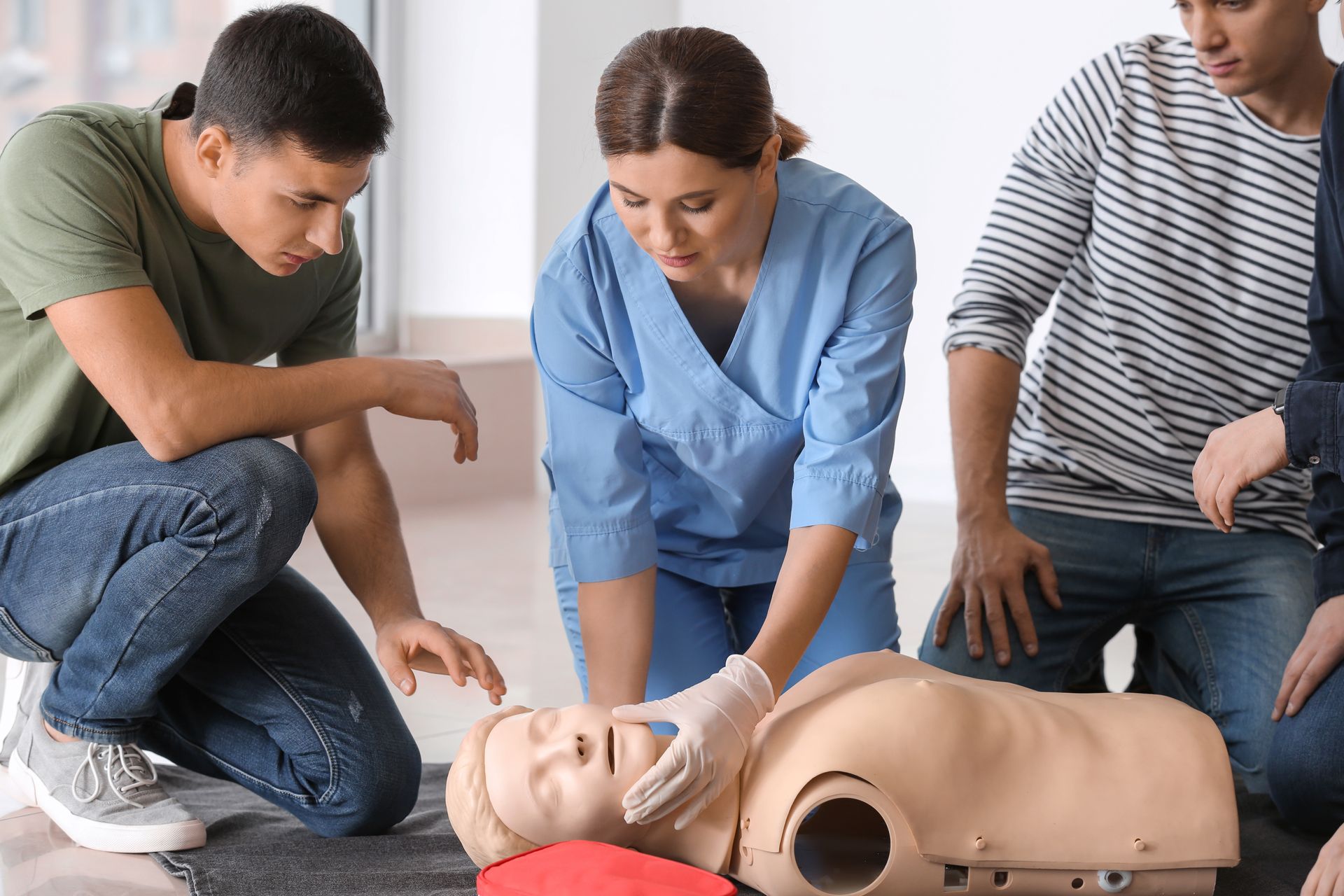
A legitimate CPR, BLS, AED, or First Aid course should be more than a quick online video and a printable certificate. It should connect you with a recognized training program and provide a meaningful way to learn and demonstrate lifesaving skills.
Look for these characteristics:
- A clearly identified instructor with relevant teaching and clinical or emergency-response experience
- Current course materials based on recognized resuscitation and first aid guidelines
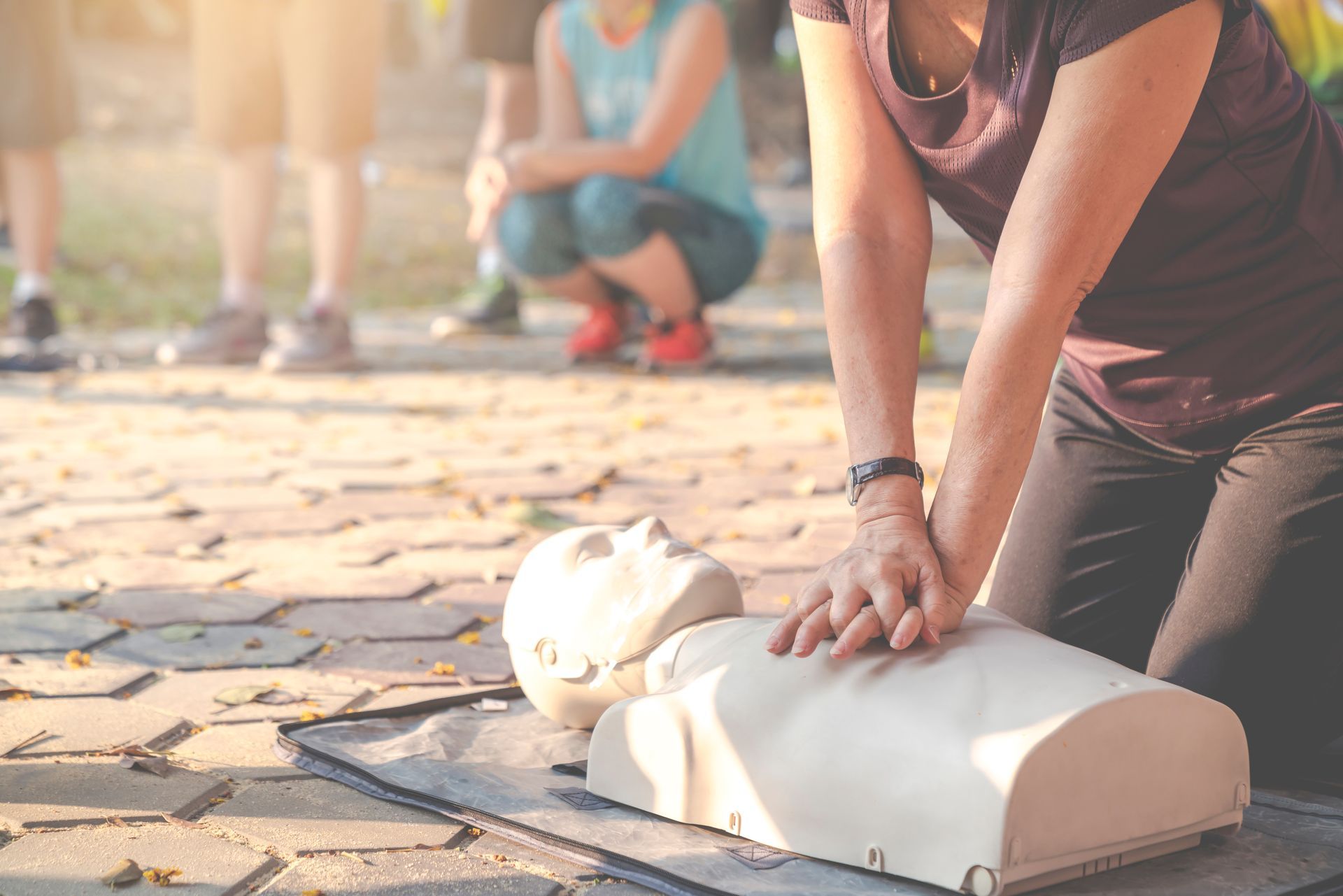
- Hands-on practice with CPR manikins and AED training equipment
- A skills check, written assessment, or both when required by the course
- A certificate that identifies the provider, course, completion date, and expiration date
Requirements vary by employer and profession. Healthcare workers, childcare providers, teachers, coaches, and workplace responders may need different courses, so confirm the exact requirement before paying.
How can you verify a CPR instructor’s experience?
Start by looking for specific information, not vague claims. An experienced professional should be able to explain what they teach, which programs they are authorized to deliver, and how they keep their knowledge current.
Ask the instructor or training company:
- Which certification organization supports this course?
- Are you currently authorized to teach this program?
- How often do you teach CPR, BLS, AED, or First Aid classes?
- What professional, medical, emergency-response, or education experience do you bring?
- Will I practice skills and complete an evaluation during class?
A strong provider will answer clearly and welcome reasonable questions. They should not pressure you to register before explaining the course or promise a certificate without participation.
Experience is especially valuable during hands-on instruction. A knowledgeable instructor can correct compression depth, hand placement, ventilation technique, AED operation, and teamwork in real time. That feedback is difficult to get from self-paced content alone.
Check the certification provider
The organization behind the course matters because employers and licensing bodies may accept only specific certifications. Depending on your situation, you may need American Heart Association training, Red Cross training, or another approved program.
Review the provider’s official course information and compare it with your employer’s written policy. You can explore AHA Training or Red Cross Training Classes to understand available options.
A trustworthy course page should state:
- The exact course name
- Intended audience and prerequisites
- Classroom, blended, or online components
- Required skills practice and testing
- Certificate type and validity period
- Renewal or refresher expectations
Be cautious if a website uses a familiar organization’s name but does not explain authorization, course content, or certification details. A logo alone is not proof that a class is recognized.
Online, blended, or in-person: which format is credible?
All three formats can be useful, but they are not interchangeable. The best choice depends on your employer’s requirements and the skills you need to demonstrate.
In-person training
In-person classes provide direct coaching, equipment practice, and immediate correction. This format is often the simplest choice when you need to prove hands-on competence or prefer learning with an instructor.
Blended training
Blended courses combine online lessons with an in-person skills session. They can be convenient while still providing an opportunity to practice CPR, AED use, and other techniques with an instructor.
Online-only training
Online-only courses may help with awareness or basic knowledge, but they may not satisfy workplace or professional requirements that include a skills demonstration. Confirm acceptance before enrolling.
What should you expect during a quality class?
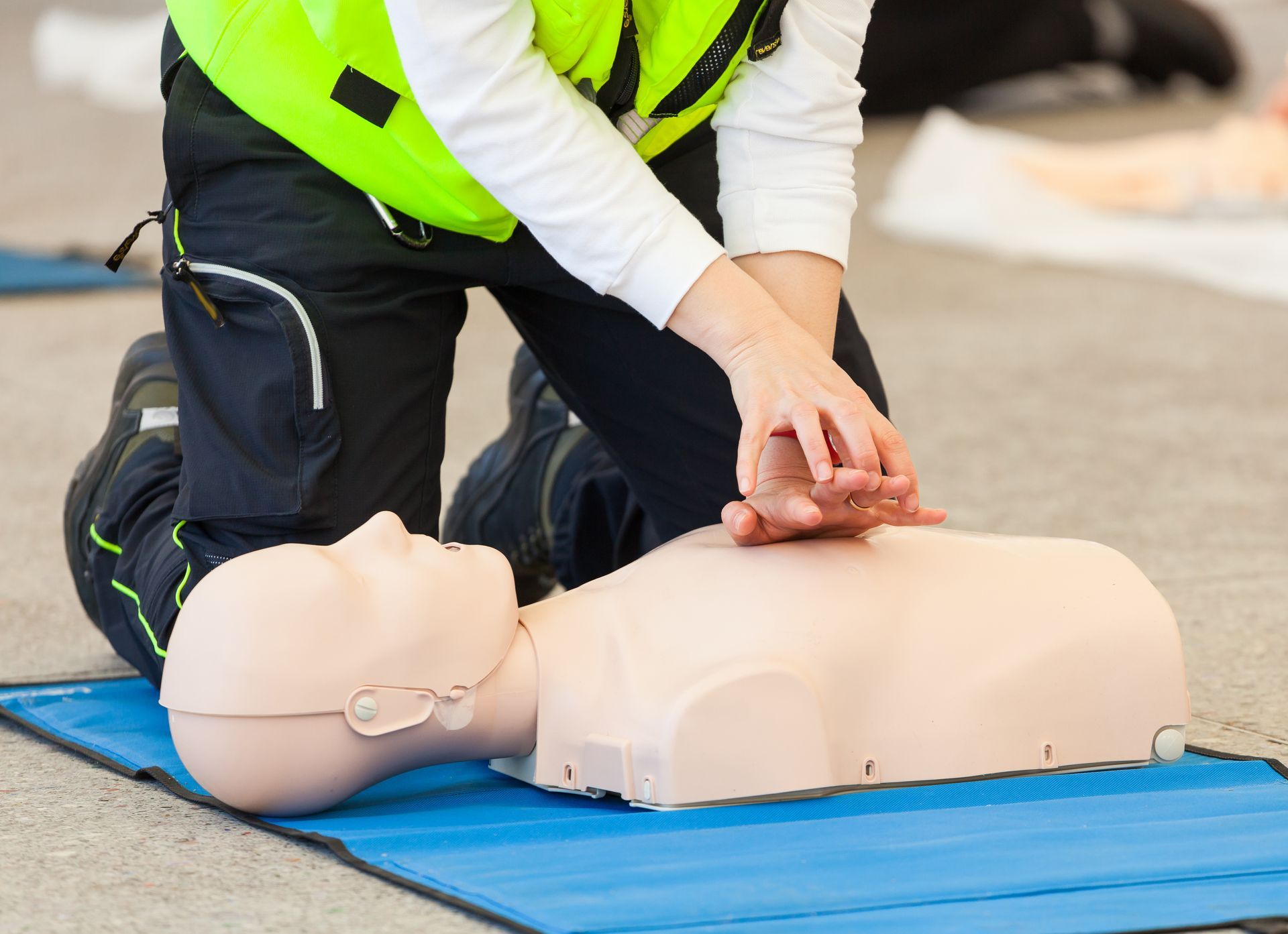
A credible class should have a clear learning path rather than rushing students through a certificate transaction. While course agendas differ, quality training commonly includes:
- Recognition of cardiac arrest, choking, and other emergencies
- Activation of emergency services and coordination with responders
- CPR technique for the relevant age groups
- AED operation and safety considerations
- Rescue breathing or barrier-device instruction when included in the course
- Hands-on scenarios, practice, and performance evaluation
The instructor should explain not only what to do, but why timing, teamwork, and consistent technique matter. Students should have access to suitable equipment and enough practice time to build confidence.
Ask how many learners will share each manikin and whether the instructor limits class size. Very large sessions may reduce individual feedback, especially if the class promises practical evaluation.
Warning signs of questionable CPR training
A low price or short course is not automatically a problem. However, several warning signs deserve closer attention:
- Guaranteed certification without attending, practicing, or testing
- No instructor name, credentials, business contact information, or physical service details
- A certificate that does not identify the issuing organization
- Claims that every employer accepts the course
- Pressure to pay immediately or avoid checking requirements
- No explanation of skills practice, equipment, expiration, or renewal
- Poor communication about whether the course is current
If a provider cannot answer basic questions before enrollment, choose another option. Your certificate—and your ability to respond during an emergency—are too important to treat casually.
Use this enrollment checklist
Before you register, confirm each item:
- [ ] I know the exact certification my employer or organization requires.
- [ ] The provider identifies the issuing organization and course type.
- [ ] The instructor’s experience and authorization are explained.
- [ ] The class includes the hands-on work required for my certification.
- [ ] I know how and when I will receive my certificate.
Save the course description, registration confirmation, and certificate after completion. These records can help if an employer asks you to verify your training later.
Frequently asked questions
Is online CPR certification legitimate?
It can be legitimate for general education, but it may not meet workplace or professional requirements if no hands-on skills evaluation is included. Confirm acceptance with your employer before choosing an online-only option.
How do I know whether a CPR certificate is valid?
Check that it names the issuing organization, course, completion date, expiration date, and training provider. Then compare those details with your employer’s requirements or contact the organization listed on the certificate.
Is BLS different from regular CPR training?
Yes. BLS is generally designed for healthcare professionals and responders who may need team-based resuscitation, ventilation, and more advanced scenarios. Review the requirements for BLS Certification before registering.
Should I choose an experienced local instructor?
A local instructor can make scheduling, skills practice, and verification easier. For training in the Phoenix Metro Area or Show Low, AZ, you can contact the CPR training instructor with questions about course fit.
How to choose with confidence
Legit CPR training should combine a recognized certification pathway, a qualified and experienced instructor, current course content, hands-on practice, and a certificate your employer accepts. Do not judge a provider by price or a polished website alone. Verify the instructor, issuing organization, course format, skills evaluation, and certificate details before enrolling. If you are comparing CPR, BLS, AED, or First Aid options, start with the requirement you must meet, then choose the format and instructor that give you enough practice to respond confidently in a real emergency.